
Inside Topps Flagship Football: A 5-Step Checklist
2026 Topps Flagship Football is Topps’ first traditional flagship NFL card release since 2015, following the company’s return to licensed football cards in April The set targets the United States coll...
Inside Topps Flagship Football: A 5-Step Checklist
2026 Topps Flagship Football is Topps’ first traditional flagship NFL card release since 2015, following the company’s return to licensed football cards in April 2026. The set targets the United States collector market with first rookie cards for 2026 NFL Draft names such as Fernando Mendoza, Jeremiyah Love, and Ty Simpson, plus base cards using a design shared with 2026 Topps Baseball. Hobby boxes promise one autograph or memorabilia card, while jumbo boxes include one autograph and one memorabilia card. The release also brings team-based parallels, image variations, inserts, and a broad chase structure built around NFL stars and rookies. Collectors should verify the final checklist, product configuration, and confirmed odds before buying sealed boxes, then compare the cost of singles against opening packs.

Photo by Ann H on Pexels
Topps Flagship Football 2026 is not just another annual release. It is the loud return of a major brand to the licensed NFL card market, and the numbers make the situation impossible to ignore: the previous Topps flagship football set arrived in 2015, while the 2026 product follows Topps’ renewed NFL licensing position in 2026. For collectors, that creates a powerful mix of nostalgia, rookies, first-year design history, and speculation.
For readers of Tactical Review, the appeal is similar to studying a tournament squad before the opening whistle: identify the important names, separate real evidence from hype, and never confuse an exciting story with guaranteed value. This guide breaks the product into five practical steps, from identifying the set’s structure to checking box economics and protecting your cards. The central warning is blunt: a one-card hit promise does not mean every hobby box is profitable.
Ready to review the wider 2026 sports landscape? Start with the essential product details first.
Step 1: What should collectors identify first?
The first task is to confirm what 2026 Topps Flagship Football actually contains: a base checklist, rookie selections, parallels, variations, inserts, autographs, and memorabilia cards. The most important confirmed anchors are the first rookie cards of Fernando Mendoza, Jeremiyah Love, and Ty Simpson, along with a base design that echoes 2026 Topps Baseball. That shared visual language matters because flagship collectors often judge a release as part of a broader annual Topps design family rather than as an isolated football product.
The product also marks a sharp break from the recent football-card landscape. Panini controlled exclusive licensed NFL card production for much of the period after 2015, while Topps focused on brands such as Topps Chrome Football, Topps Finest Football, and Signature Class Football before the flagship return. Therefore, 2026 Topps Flagship Football has historical value even before individual card prices are known.
Collectors should begin with these questions:
- Is the card a base rookie, variation, parallel, insert, autograph, or memorabilia card?
- Is the player’s team correct for the 2026 season?
- Is the card serial-numbered, short-printed, or box-exclusive?
- Does the final checklist list the card as a true rookie card or a prospect-style issue?
- Are pack odds available from Topps or the distributor?
According to the National Sports Collectors Convention, checklist transparency and product information are central parts of informed collecting. That principle is especially important here because a famous player’s name can create attention, but scarcity and condition determine whether attention becomes durable demand.
[Internal Link: beginner’s guide to NFL trading cards]
The design: familiar, but not ordinary
The base-card design reportedly uses a jersey-fabric appearance on the left side, with a stitched vertical patch in the player’s team colors. A stitched divider separates the player photograph from the main border, giving the card a tactile uniform-inspired identity even though the card itself is printed cardboard. This is a deliberate visual choice: Topps is connecting the product to football equipment rather than simply placing a photograph inside a standard frame.
The design creates one practical grading risk. Strong vertical elements can make centering problems easier to see, especially when the stitched border is uneven from left to right. A card may look sharp at first glance but show a measurable border imbalance under a loupe or scanner. As a result, collectors should inspect centering, corners, surface scratches, and print lines before assuming a premium grade.
“Condition is everything” is not a formal grading rule, but the principle is reflected in the standards used by Professional Sports Authenticator. For a modern flagship release, a clean base rookie may be inexpensive on day one; a high-grade copy with excellent centering can become much harder to replace after the opening wave of supply disappears.
Step 2: How should you compare hobby and jumbo boxes?
Hobby and jumbo boxes offer different hit structures, so the correct comparison is not simply the advertised number of cards. A hobby box is expected to contain one autograph or memorabilia card, while a jumbo box is expected to contain one autograph and one memorabilia card. In practical terms, jumbo boxes offer a stronger guaranteed hit floor, but that does not automatically make them better value because the purchase price, pack count, checklist depth, and hit quality also matter.
The basic product comparison is:
| Product type | Advertised guarantee | Main appeal | Main risk |
|---|---|---|---|
| Hobby box | 1 autograph or memorabilia card | Lower entry point and traditional ripping experience | The guaranteed hit may be a lower-demand memorabilia card |
| Jumbo box | 1 autograph plus 1 memorabilia card | Two guaranteed categories of hits | Higher cost and greater exposure to weak player selection |
| Individual singles | No sealed-box guarantee | Precise access to chosen rookies and parallels | Premium cards may be expensive immediately after release |
A collector should calculate the cost per expected hit rather than celebrating the headline guarantee. If a hobby box costs $X and contains one guaranteed hit, the minimum hit cost is already $X before counting base cards, inserts, shipping, taxes, or resale fees. If a jumbo box costs approximately twice as much but supplies two guaranteed hits, it may look efficient; however, a weak autograph and low-demand memorabilia card can still produce poor results.
At Tactical Review, the useful comparison method is the same one applied to player statistics: track the denominator. “One autograph” describes frequency, not quality. It does not state the player, serial-number range, autograph tier, or market value.

Photo by https://kaboompics.com/ on Pexels
First, check the final configuration
Product configurations can change before release, and unofficial pre-order pages sometimes publish incomplete information. Before purchasing, confirm the final details through Topps, an established hobby distributor, or a recognized checklist publication such as Beckett. Verify box quantity, pack quantity, stated guarantees, retail availability, and whether specific parallels are exclusive to hobby, jumbo, retail, or online formats.
Then compare the box price with recent sales of comparable Topps football products. A high launch price may reflect early excitement around the NFL license and 2026 rookies rather than the long-term supply-demand balance. The first 72 hours after release often produce chaotic pricing because breakers and early sellers flood the market at the same time.
Finally, record the date of every comparison. A price seen on release day, a price seen after two weeks, and a price seen after the 2026 season are not interchangeable data points. This time-stamped approach is one of the simplest ways to avoid paying a temporary hype premium.
Want a clearer way to assess the product before committing money?
Step 3: Which rookies, parallels, and variations matter most?
The strongest early attention should fall on the first 2026 NFL Draft rookie cards, especially Fernando Mendoza, Jeremiyah Love, and Ty Simpson. Yet collectors should resist treating every rookie card as equal. A base rookie, a short-print variation, a color parallel, a numbered autograph, and a memorabilia card can have entirely different supply levels and buyer pools.
Fernando Mendoza may attract quarterback-driven demand, but quarterback status alone is not enough. Collectors should track starts, passing attempts, touchdown-to-interception ratio, team performance, and national exposure. Jeremiyah Love’s value may react more directly to rushing workload, red-zone usage, and explosive-play production. Ty Simpson’s market could depend heavily on playing time and whether he becomes a reliable starter rather than remaining a depth option.
A useful ranking framework is:
- First determine whether the card is a recognized rookie issue.
- Separate base cards from variations and parallels.
- Confirm whether the parallel is numbered or simply color-based.
- Check autograph placement, sticker versus on-card format, and signature quality.
- Compare completed sales across at least three dates rather than relying on active listings.
[Internal Link: advanced tips for evaluating rookie-card value]
Parallels: scarcity must be proven
Aqua Rainbow Foil and other colorful parallels may look scarce, but visual intensity is not the same as confirmed rarity. A card becomes easier to evaluate when the product checklist states a print run, serial number, stated odds, or clear distribution restriction. Without that evidence, collectors should avoid assigning a precise scarcity premium.
This is where many buyers make a costly mistake. They see a bright parallel, see three active listings priced at $300, and conclude that the card is worth $300. Active listings show seller ambition; completed sales show buyer behavior. The difference can be enormous, particularly during the first week of a product launch.
A practical evidence sheet should include:
- Card number and player name
- Parallel or variation name
- Serial number, if present
- Date and price of completed sales
- Card condition and grading status
- Shipping cost and platform fees
- Number of competing listings
The most useful contrarian insight is this: an unnumbered parallel can sometimes be harder to price than a numbered card, not because it is necessarily rarer, but because its production quantity is less transparent. A numbered /99 card gives you a defined ceiling; an unnumbered Aqua Rainbow Foil may require much more market observation.
Step 4: Why do condition and storage change the result?
Condition and storage can change a 2026 Topps Flagship Football card from a common modern collectible into a genuinely desirable graded copy. The key factors are centering, corners, edges, surface, print quality, and handling history. Flagship cards often have strong borders, foil elements, or textured design details that reveal scratches and alignment errors quickly.
Use a disciplined handling process:
- Wash and dry your hands before sorting cards.
- Hold cards by the edges, never by the surface.
- Place valuable cards into soft sleeves immediately.
- Use rigid top loaders for cards with meaningful market value.
- Store cards vertically in a dry, temperature-stable room.
- Keep sealed boxes away from direct sunlight and high humidity.
- Photograph card condition before shipping or submitting for grading.
The Library of Congress provides broad preservation guidance emphasizing stable environments and protection from damaging light. While trading cards are not museum manuscripts, the underlying logic applies: heat, moisture, pressure, and sunlight are enemies.
A specific operational edge case deserves attention. If a card is placed into a sleeve while the corner is slightly bent, the rigid top loader can preserve the bend rather than repair it. Therefore, inspect every corner under bright side lighting before insertion. Do not force a card into a sleeve or holder that is too tight; pressure marks can be permanent.
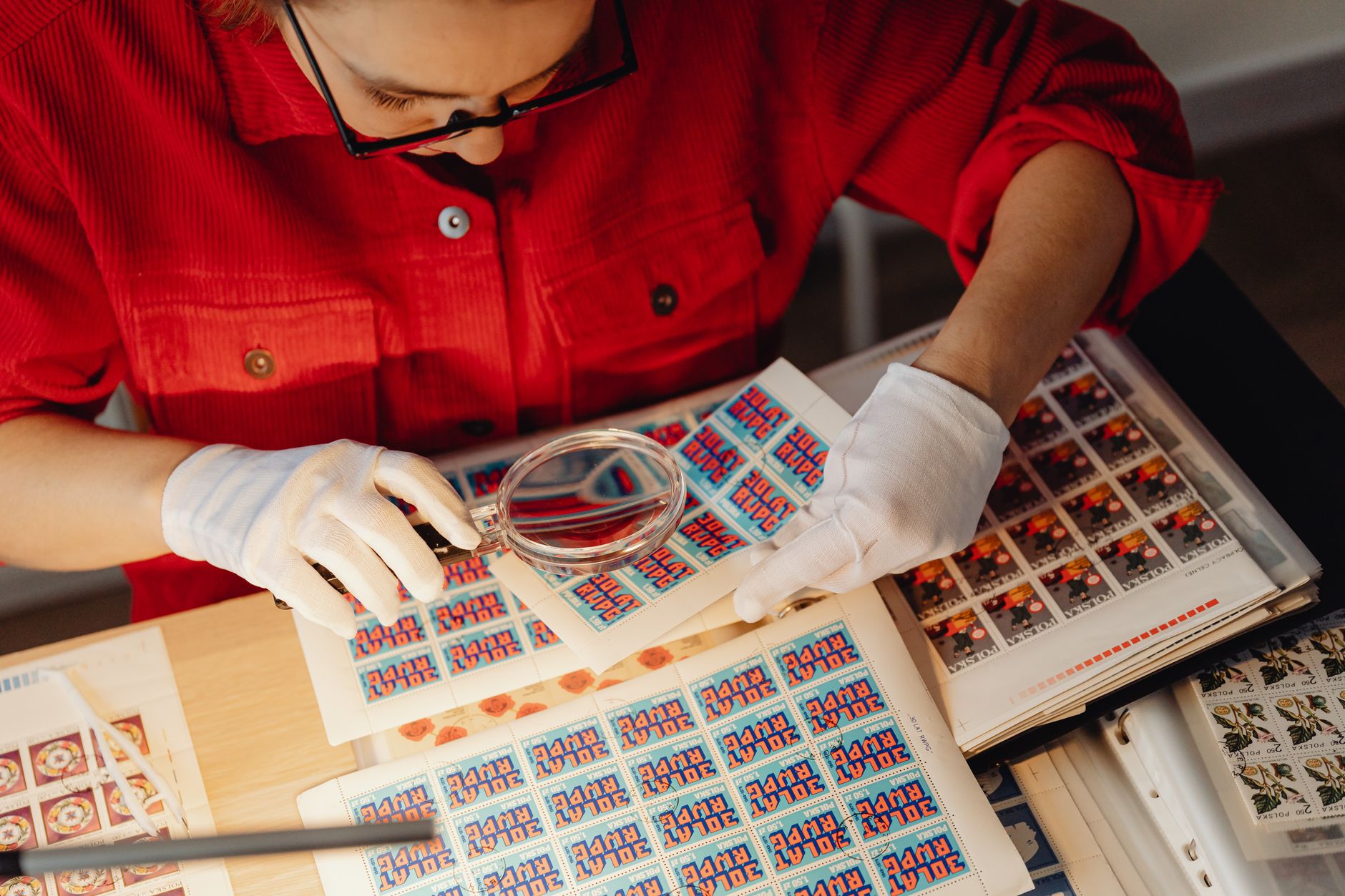
Photo by https://kaboompics.com/ on Pexels
Grading: calculate before submitting
Professional grading can improve presentation and liquidity, but submission fees and turnaround time reduce the net result. A $20 raw card does not automatically justify grading because the graded value must cover grading fees, shipping, insurance, taxes, selling fees, and the risk of receiving a lower-than-expected grade.
Use this simple test:
- Estimate the raw sale price.
- Estimate the likely grade, not the dream grade.
- Add grading, shipping, insurance, and marketplace fees.
- Compare the total cost with recent graded sales.
- Submit only when the expected premium is large enough to justify the risk.
For example, if total grading and shipping expenses reach $35, a card that sells for $25 raw is a weak candidate unless the expected graded value is substantially higher. The math is brutally simple, and that is exactly why it works.
See the details before you decide whether sealed product or singles fit your budget.
Step 5: Verification — what should you confirm before buying?
Before buying 2026 Topps Flagship Football, verify the checklist, product guarantees, seller reputation, transaction terms, and current completed-sale data. This final step protects collectors from incomplete listings, inaccurate hit claims, counterfeit cards, and inflated launch pricing. Verification should happen before payment, not after a disappointing package arrives.
Use this five-point check:
- Confirm the source: Prefer Topps, established hobby shops, major distributors, or platforms with buyer protection.
- Confirm the configuration: Match the seller’s description against the latest official product details.
- Confirm the card: Check player, card number, parallel name, serial number, and variation status.
- Confirm the price: Review completed sales rather than only active listings.
- Confirm the condition: Request clear photographs of corners, edges, surface, and serial numbering.
The Federal Trade Commission advises consumers to review seller information, payment protection, and return policies when shopping online. That guidance is highly relevant to modern card purchases because a dramatic product photograph can hide a weak seller record.
For sealed boxes, inspect shrink wrap, factory seals, shipping damage, and return restrictions. A damaged box does not automatically contain damaged cards, but it may complicate disputes. For singles, ask whether the image shows the exact card or a stock photograph. That one detail can separate a fair transaction from a nasty surprise.
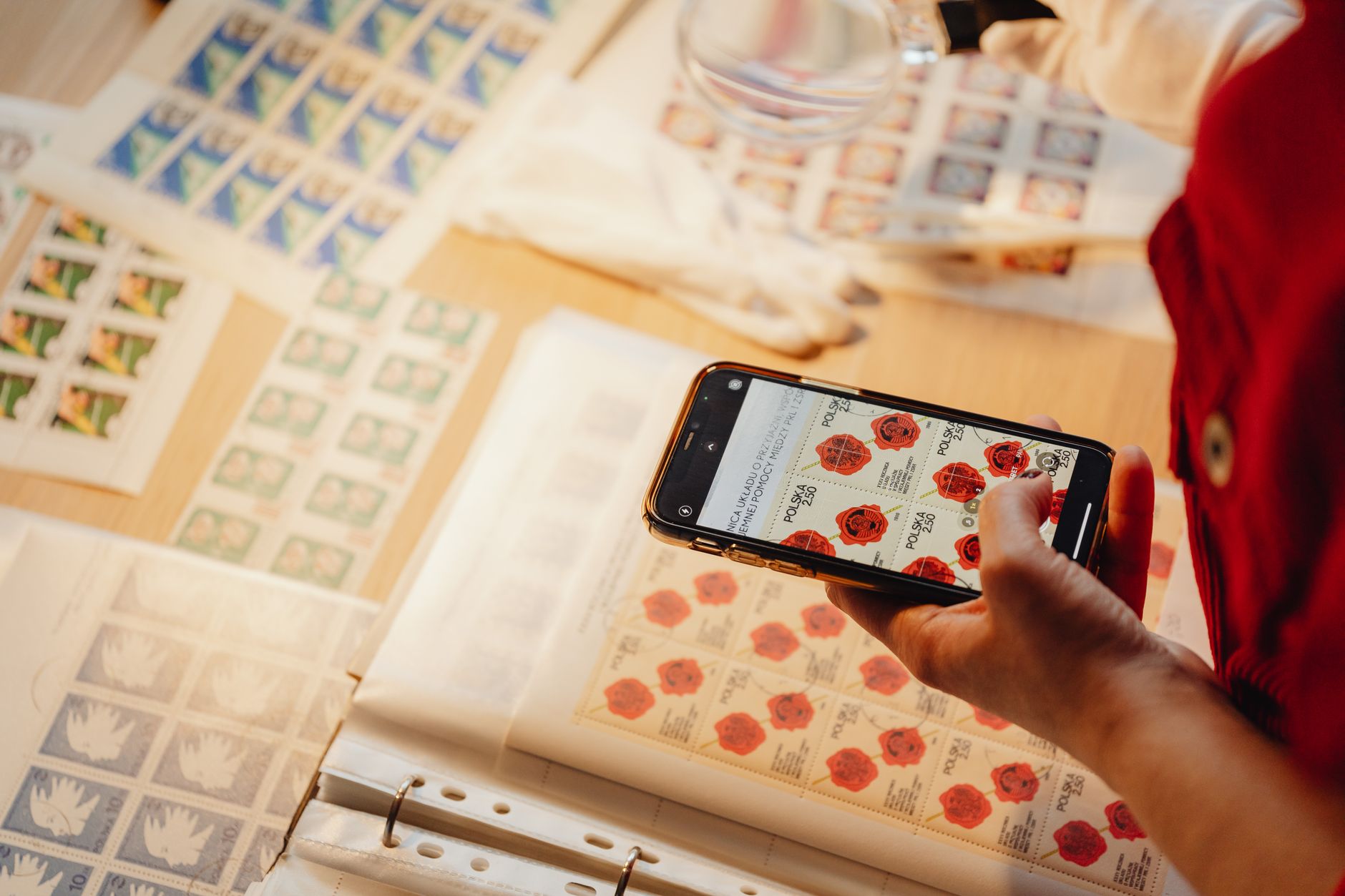
Photo by https://kaboompics.com/ on Pexels
A simple buy, hold, or wait decision
Buy sealed product when the price is reasonable, the configuration is verified, and you genuinely value the opening experience. Buy singles when you want a specific Fernando Mendoza, Jeremiyah Love, Ty Simpson, or team card without accepting the randomness of packs. Wait when the market is driven by release-day excitement, supply is still arriving, or completed-sale data is too thin.
A sensible 2026 strategy could be:
- Allocate a fixed budget before opening any box.
- Reserve part of the budget for singles after release.
- Avoid using rent, emergency funds, or borrowed money.
- Track every purchase and sale in a spreadsheet.
- Reassess after 7, 30, and 90 days.
- Sell based on evidence, not social-media excitement.
Tactical Review covers sports analysis and tournament information, but card collecting should remain entertainment and personal finance discipline, not a guaranteed profit system. The same hard truth applies to betting-related decisions: no outcome is certain, and responsible limits matter.
Troubleshooting common failures
Most 2026 Topps Flagship Football problems come from incomplete checklist information, misunderstood box guarantees, poor card handling, or unreliable marketplace listings. A hobby box promising one autograph or memorabilia card does not promise a premium player, a numbered card, or a card worth the box price. Similarly, a colorful parallel does not prove low population unless odds, numbering, or credible sales evidence support that conclusion.
Problem: the card appears off-center
Compare the left and right borders under neutral lighting, then inspect the top and bottom edges. Do not judge from a tilted photograph because camera angle can create a false centering problem. If grading is the goal, compare the card with the grading company’s published standards and accept that modern print variation may limit the final grade.
Problem: the autograph is disappointing
Check whether the card is a sticker autograph, an on-card autograph, numbered, or part of a lower-tier autograph subset. The guaranteed presence of ink is not the same as guaranteed player demand. Record the exact subset and compare completed sales before declaring the card worthless or valuable.
Problem: the seller refuses a return
Read the platform rules before payment, keep all messages, photograph packaging immediately, and do not discard the shipping box. If the item differs materially from the listing, use the marketplace’s formal dispute process rather than relying only on informal messages.
Problem: prices collapse after release
This is common when early breakers release large quantities at once. Wait for a broader sample of completed sales, including raw and graded copies, before making a decision. A falling launch price may reflect temporary supply pressure, but it may also reveal that demand was never deep enough to support the original premium.
For more collector education, use our [Internal Link: trading-card buying and selling guide] and [Internal Link: sports collectible storage checklist].
Frequently Asked Questions
Q: What is 2026 Topps Flagship Football?
A: 2026 Topps Flagship Football is Topps’ return to a traditional licensed NFL flagship card set after the company’s previous flagship football release in 2015. The product includes base cards, rookies, parallels, variations, inserts, autographs, and memorabilia cards. Key 2026 rookie names include Fernando Mendoza, Jeremiyah Love, and Ty Simpson. The base design is connected visually to 2026 Topps Baseball, with jersey-inspired stitching and team-color elements.
Q: How do you start collecting 2026 Topps Flagship Football?
A: Start by setting a fixed budget, reviewing the final checklist, and choosing between sealed boxes and individual singles. Hobby boxes advertise one autograph or memorabilia card, while jumbo boxes advertise one autograph plus one memorabilia card. New collectors should begin with base rookies and clearly identified parallels before buying expensive cards. Track card numbers, prices, dates, and condition in a simple spreadsheet.
Q: What is the difference between a hobby box and a jumbo box?
A: A hobby box is advertised with one autograph or memorabilia card, while a jumbo box includes one autograph and one memorabilia card. Jumbo boxes therefore offer a higher guaranteed hit count, but they usually require a larger purchase and can still contain lower-demand players. Compare the total box price, hit quality, checklist depth, and recent completed sales rather than relying only on the guarantee.
Q: Is 2026 Topps Flagship Football worth buying?
A: It can be worthwhile for collectors who value the Topps return, 2026 rookies, and flagship designs, but it is not a guaranteed-profit product. The best choice depends on whether you prefer opening packs or selecting exact singles. Buyers should wait for confirmed odds and compare sealed-box prices with single-card prices after release. A fixed entertainment budget is safer than chasing a specific hit.
Q: Why does a colorful parallel not always sell for more?
A: Color alone does not prove scarcity or demand. An Aqua Rainbow Foil or similar parallel may be visually attractive, but collectors still need confirmed odds, numbering, distribution details, and completed-sale evidence. Active listings can exaggerate value because they show asking prices rather than successful transactions. Compare at least several completed sales across different dates before assigning a premium.
Q: How should you store 2026 Topps rookie cards?
A: Place valuable cards in clean soft sleeves and correctly sized top loaders, then store them vertically in a cool, dry room away from direct sunlight. Inspect corners and surfaces before inserting cards because pressure can preserve or worsen small bends. Keep sealed boxes away from heat and humidity. Photograph valuable cards before shipping so condition and packaging can be documented if a dispute occurs.
Q: What should you do if a 2026 Topps card arrives damaged?
A: Photograph the card, packaging, shipping label, and box immediately, then contact the seller through the original marketplace. Keep every piece of packaging and avoid altering the card before the platform reviews the claim. Compare the delivered item with the listing photographs and description. If the seller does not resolve the issue, use the marketplace’s formal buyer-protection or dispute process within the stated deadline.
The final verdict is clear: 2026 Topps Flagship Football deserves attention because it restores a familiar Topps NFL format, introduces major 2026 rookie cards, and combines a historic return with a broad parallel and hit structure. But excitement is not evidence, and a guaranteed card is not a guaranteed return. Verify the checklist, compare hobby and jumbo economics, inspect condition, and use completed sales before paying a premium.
If you want to keep following the numbers behind the 2026 sports market, Tactical Review offers ongoing tournament coverage, player statistics, and analytical context.